è
.header-widgets-wrapper, .content-wrap-bg { background-color: }
.featured-sidebar, .featured-sidebar ul li { border-color: !important; }
.page-numbers li a, .blogposts-list .blogpost-button, .page-numbers.current, span.page-numbers.dots { background: ; }
.banner-widget-wrapper p, .banner-widget-wrapper h1, .banner-widget-wrapper h2, .banner-widget-wrapper h3, .banner-widget-wrapper h4, .banner-widget-wrapper h5, .banner-widget-wrapper h6, .banner-widget-wrapper ul, .banner-widget-wrapper{ color: }
.banner-widget-wrapper a, .banner-widget-wrapper a:hover, .banner-widget-wrapper a:active, .banner-widget-wrapper a:focus{ color: ; }
.banner-widget-wrapper ul li { border-color: ; }
body, .site, .swidgets-wrap h3, .post-data-text { background: ; }
.site-title a, .site-description { color: ; }
.header-bg { background-color: !important; }
.main-navigation ul li a, .main-navigation ul li .sub-arrow, .super-menu .toggle-mobile-menu,.toggle-mobile-menu:before, .mobile-menu-active .smenu-hide { color: ; }
#smobile-menu.show .main-navigation ul ul.children.active, #smobile-menu.show .main-navigation ul ul.sub-menu.active, #smobile-menu.show .main-navigation ul li, .smenu-hide.toggle-mobile-menu.menu-toggle, #smobile-menu.show .main-navigation ul li, .primary-menu ul li ul.children li, .primary-menu ul li ul.sub-menu li, .primary-menu .pmenu, .super-menu { border-color: ; border-bottom-color: ; }
#secondary .widget h3, #secondary .widget h3 a, #secondary .widget h4, #secondary .widget h1, #secondary .widget h2, #secondary .widget h5, #secondary .widget h6 { color: ; }
#secondary .widget a, #secondary a, #secondary .widget li a , #secondary span.sub-arrow{ color: ; }
#secondary, #secondary .widget, #secondary .widget p, #secondary .widget li, .widget time.rpwe-time.published { color: ; }
#secondary .swidgets-wrap, .featured-sidebar .search-field { border-color: ; }
.site-info, .footer-column-three input.search-submit, .footer-column-three p, .footer-column-three li, .footer-column-three td, .footer-column-three th, .footer-column-three caption { color: ; }
.footer-column-three h3, .footer-column-three h4, .footer-column-three h5, .footer-column-three h6, .footer-column-three h1, .footer-column-three h2, .footer-column-three h4, .footer-column-three h3 a { color: ; }
.footer-column-three a, .footer-column-three li a, .footer-column-three .widget a, .footer-column-three .sub-arrow { color: ; }
.footer-column-three h3:after { background: ; }
.site-info, .widget ul li, .footer-column-three input.search-field, .footer-column-three input.search-submit { border-color: ; }
.site-footer { background-color: ; }
.archive .page-header h1, .blogposts-list h2 a, .blogposts-list h2 a:hover, .blogposts-list h2 a:active, .search-results h1.page-title { color: ; }
.blogposts-list .post-data-text, .blogposts-list .post-data-text a{ color: ; }
.blogposts-list p { color: ; }
.page-numbers li a, .blogposts-list .blogpost-button, span.page-numbers.dots, .page-numbers.current, .page-numbers li a:hover { color: ; }
.archive .page-header h1, .search-results h1.page-title, .blogposts-list.fbox, span.page-numbers.dots, .page-numbers li a, .page-numbers.current { border-color: ; }
.blogposts-list .post-data-divider { background: ; }
.page .comments-area .comment-author, .page .comments-area .comment-author a, .page .comments-area .comments-title, .page .content-area h1, .page .content-area h2, .page .content-area h3, .page .content-area h4, .page .content-area h5, .page .content-area h6, .page .content-area th, .single .comments-area .comment-author, .single .comments-area .comment-author a, .single .comments-area .comments-title, .single .content-area h1, .single .content-area h2, .single .content-area h3, .single .content-area h4, .single .content-area h5, .single .content-area h6, .single .content-area th, .search-no-results h1, .error404 h1 { color: ; }
.single .post-data-text, .page .post-data-text, .page .post-data-text a, .single .post-data-text a, .comments-area .comment-meta .comment-metadata a { color: ; }
.page .content-area p, .page article, .page .content-area table, .page .content-area dd, .page .content-area dt, .page .content-area address, .page .content-area .entry-content, .page .content-area li, .page .content-area ol, .single .content-area p, .single article, .single .content-area table, .single .content-area dd, .single .content-area dt, .single .content-area address, .single .entry-content, .single .content-area li, .single .content-area ol, .search-no-results .page-content p { color: ; }
.single .entry-content a, .page .entry-content a, .comment-content a, .comments-area .reply a, .logged-in-as a, .comments-area .comment-respond a { color: ; }
.comments-area p.form-submit input { background: ; }
.error404 .page-content p, .error404 input.search-submit, .search-no-results input.search-submit { color: ; }
.page .comments-area, .page article.fbox, .page article tr, .page .comments-area ol.comment-list ol.children li, .page .comments-area ol.comment-list .comment, .single .comments-area, .single article.fbox, .single article tr, .comments-area ol.comment-list ol.children li, .comments-area ol.comment-list .comment, .error404 main#main, .error404 .search-form label, .search-no-results .search-form label, .error404 input.search-submit, .search-no-results input.search-submit, .error404 main#main, .search-no-results section.fbox.no-results.not-found{ border-color: ; }
.single .post-data-divider, .page .post-data-divider { background: ; }
.single .comments-area p.form-submit input, .page .comments-area p.form-submit input { color: ; }
.bottom-header-wrapper { padding-top: px; }
.bottom-header-wrapper { padding-bottom: px; }
.bottom-header-wrapper { background: ; }
.bottom-header-wrapper *{ color: ; }
.header-widget a, .header-widget li a, .header-widget i.fa { color: ; }
.header-widget, .header-widget p, .header-widget li, .header-widget .textwidget { color: ; }
.header-widget .widget-title, .header-widget h1, .header-widget h3, .header-widget h2, .header-widget h4, .header-widget h5, .header-widget h6{ color: ; }
.header-widget.swidgets-wrap, .header-widget ul li, .header-widget .search-field { border-color: ; }
.header-widgets-wrapper .swidgets-wrap{ background: ; }
.primary-menu .pmenu, .super-menu, #smobile-menu, .primary-menu ul li ul.children, .primary-menu ul li ul.sub-menu { background-color: ; }
#secondary .swidgets-wrap{ background: ; }
#secondary .swidget { border-color: ; }
.archive article.fbox, .search-results article.fbox, .blog article.fbox { background: ; }
.comments-area, .single article.fbox, .page article.fbox { background: ; }
Skip to content
Introduction to Copper Bar: A Timeless Material Powering Modern Market
Copper bar, among the most fundamental and widely used kinds of copper, continues to be important across electric, mechanical, and industrial fields. Recognized for its exceptional electric conductivity, thermal efficiency, and mechanical stamina, copper bar works as a critical component in power transmission systems, busbars, motor windings, and hefty equipment manufacturing. As global electrification speeds up and renewable resource systems broaden, the need for premium copper bars is rising, enhancing their standing as a crucial building block of modern-day facilities.
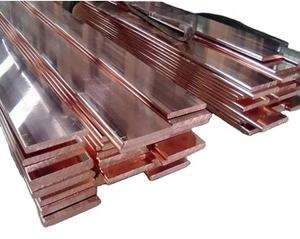
(Copper Bar)
Physical and Mechanical Features of Copper Bar
Copper bar is valued for its combination of high electrical conductivity– 2nd only to silver among metals– and outstanding thermal conduction properties. It also exhibits excellent ductility, malleability, and resistance to deterioration, making it suitable for both interior and outdoor applications. With a melting point of about 1085 ° C and reduced sensitivity under normal environmental problems, copper preserves architectural honesty over long solution life expectancies. These characteristics make it possible for copper bars to perform dependably in high-current atmospheres such as substations, switchgear, and electrical automobile billing terminals.
Production Processes and Product Criteria
The manufacturing of copper bar typically involves hot rolling, extrusion, or constant casting complied with by machining into standard shapes including rectangle-shaped, square, and round accounts. High-purity copper (generally OFHC– Oxygen-Free High-Conductivity Copper) is favored to ensure minimal resistivity and optimum efficiency. International criteria such as ASTM B187, EN 13600, and ISO 431 regulate the make-up, measurements, and testing procedures for copper bars utilized in electrical and industrial applications. Advanced fabrication methods, consisting of laser cutting and CNC machining, additionally boost accuracy and assimilation right into intricate settings up.
Trick Applications in Electrical Framework
Copper bars are foundational in electrical design, specifically as busbars that disperse power within switchboards, control panels, and circulation systems. Their ability to lug big currents with minimal losses makes them optimal for usage in transformers, breaker, and commercial motor starters. In information facilities and clever grids, copper bars sustain efficient power distribution and lots balancing. Renewable energy installations, such as solar inverters and wind turbine generators, likewise depend greatly on copper bars to deal with rising and fall loads and maintain system stability.
Role in Transportation and Energized Wheelchair
As the transport field undergoes quick electrification, copper bars have become indispensable to the growth of electric automobiles (EVs), rail systems, and hybrid propulsion units. In EVs, copper bars develop part of the stator windings, battery interconnects, and onboard billing systems. Trains and metros use copper busbars for grip control and regenerative braking circuits. The boosting adoption of high-speed rail and city transportation networks further intensifies the need for durable, high-conductivity copper elements with the ability of operating under dynamic and high-load conditions.
Use in Industrial Equipment and Heavy Equipment
Past electric systems, copper bars find extensive usage in industrial equipment where their machinability, put on resistance, and compatibility with various other products are extremely valued. They function as conductive elements in welding devices, creating tools, and electroplating cells. In shops and steel processing plants, copper bars are used in induction heating coils and cooling systems as a result of their capability to hold up against repeated thermal cycling without deterioration. Their role in automation systems, robotics, and factory electrification emphasizes their adaptability past standard power applications.
Market Trends and Demand Chauffeurs in a Decarbonizing Globe
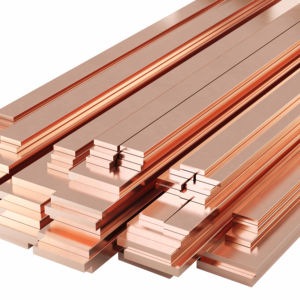
( Copper Bar)
Worldwide need for copper bars is growing rapidly, driven by development in renewable resource, electrical movement, and electronic framework. Federal governments globally are purchasing grid modernization and promoting electrification plans, every one of which rely on reputable copper-based remedies. The shift toward environment-friendly modern technologies, consisting of hydrogen electrolysis and carbon capture systems, is likewise boosting dependence on copper’s conductive capacities. Nevertheless, supply chain restraints, raw material expenses, and geopolitical elements posture challenges to consistent availability and prices security in the copper market.
Sustainability and Recycling: The Circular Prospective of Copper Bar
Copper is among the most recyclable commercial metals, with recycled copper keeping nearly all of its initial homes. This makes copper bars not just economically feasible but also environmentally sustainable. Reusing efforts in building, electronic devices, and auto industries help in reducing mining reliance and lower the carbon footprint associated with primary copper extraction. Makers are progressively adopting closed-loop recycling systems and checking out alloy adjustments to improve performance while supporting round economic situation concepts.
Future Expectation: Technologies and Combination in Next-Generation Systems
Looking ahead, copper bars will remain to develop together with developments in products science and electrical design. Study right into nanostructured copper, composite alloys, and surface treatments intends to boost conductivity, minimize weight, and boost thermal monitoring. Assimilation with clever sensing units and IoT-enabled monitoring systems will enable real-time problem assessment and anticipating upkeep in power framework. As culture approach full electrification and decarbonization, copper bars will Supplier
TRUNNANOÂ is a supplier of Concrete PCE Powder with over 12 years experience in nano-building energy conservation and nanotechnology development. It accepts payment via Credit Card, T/T, West Union and Paypal. Trunnano will ship the goods to customers overseas through FedEx, DHL, by air, or by sea. If you want to know more about copper rounds and bars, please feel free to contact us and send an inquiry.
Tags: copper bar, copper ingot, copper bus bar
All articles and pictures are from the Internet. If there are any copyright issues, please contact us in time to delete.
Inquiry us